Contact Now!  Sales: (509)845-0304  |  Email:

Hay Storage & Care

Keep every bale green, dry and safe: barn prep, moisture, stacking, fire safety, and getting a hay supply through a Washington winter.

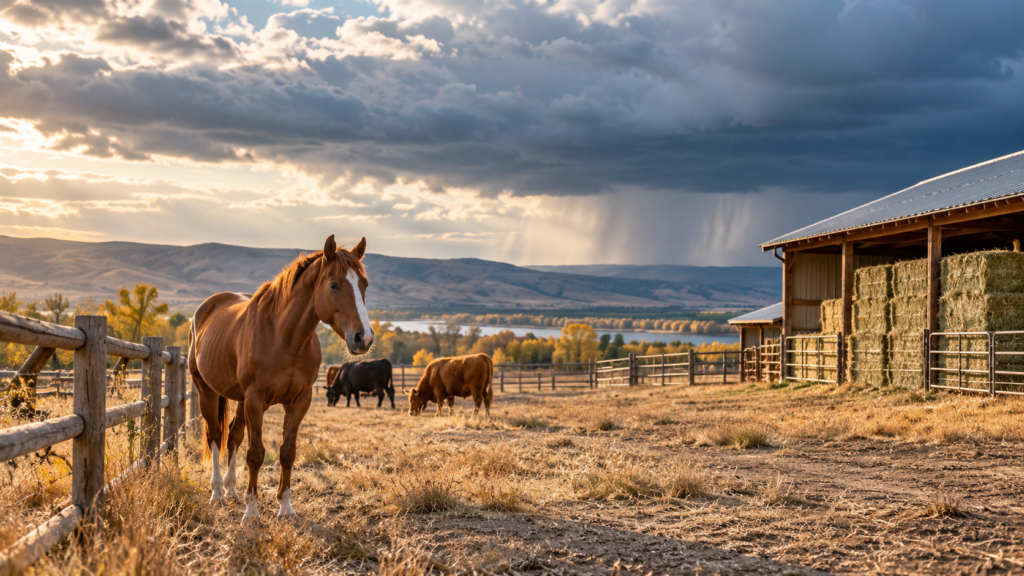
Chestnut horse and cattle on a dry Washington farm beneath storm clouds, with hay stored in a barn.

El Niño 2026: What Washington Horse & Livestock Owners Should Know

A very strong El Niño is building in the Pacific, and NOAA’s October 8, 2026 update gave it an 83% chance of reaching historic strength this fall. For Washington, that does not guarantee a mild winter or a wet one. Forecasters have been split, so the safest plan for horse and livestock owners is to

El Niño 2026: What Washington Horse & Livestock Owners Should Know Read More »

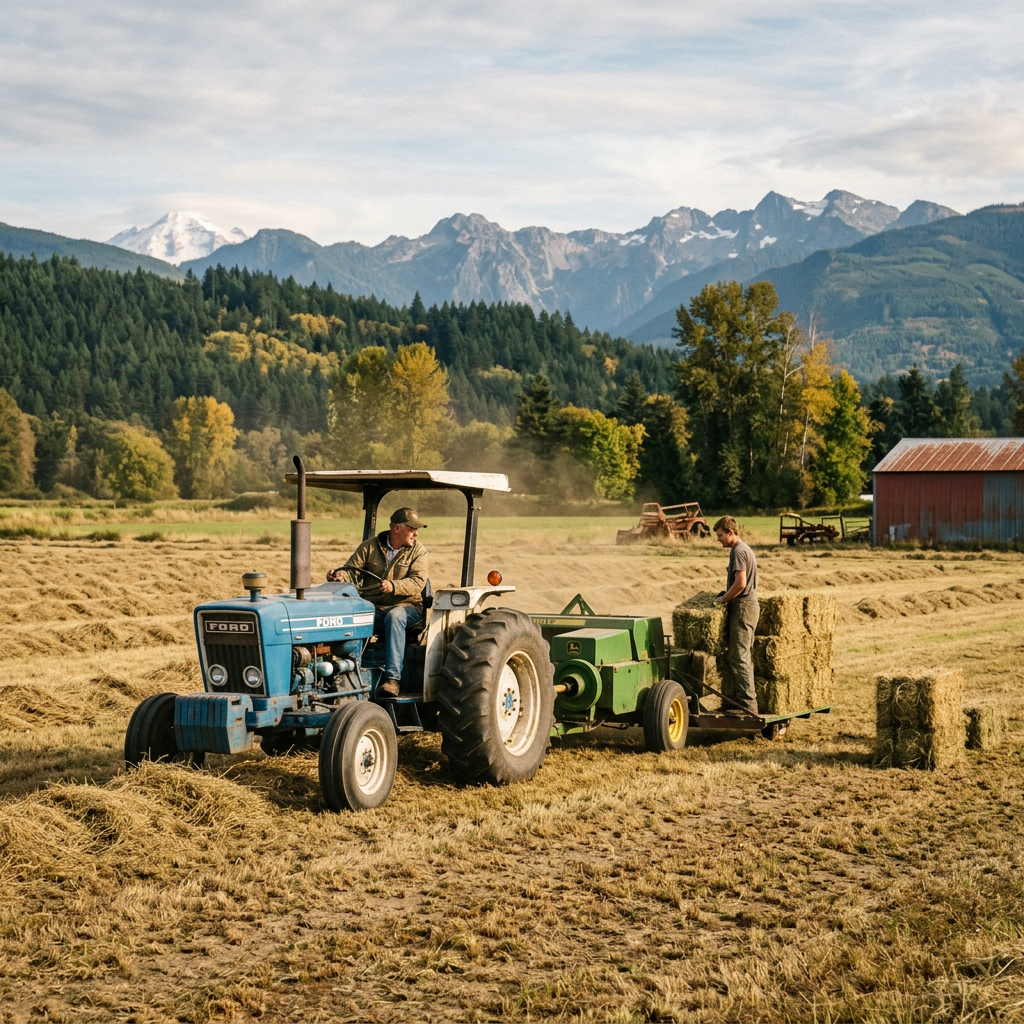
Two farmers harvesting hay with a blue tractor in a mountain valley

Fall Hay Prep in Washington: Getting Your Supply Ready Before Winter Hits

Washington winters do not wait for anyone. If you have horses, cattle, goats, or backyard animals depending on you, fall is the window to lock in hay while quality is still good and you still have a choice. Rain is coming, local supply tightens, and waiting until January usually means fewer options and more stress.

Fall Hay Prep in Washington: Getting Your Supply Ready Before Winter Hits Read More »

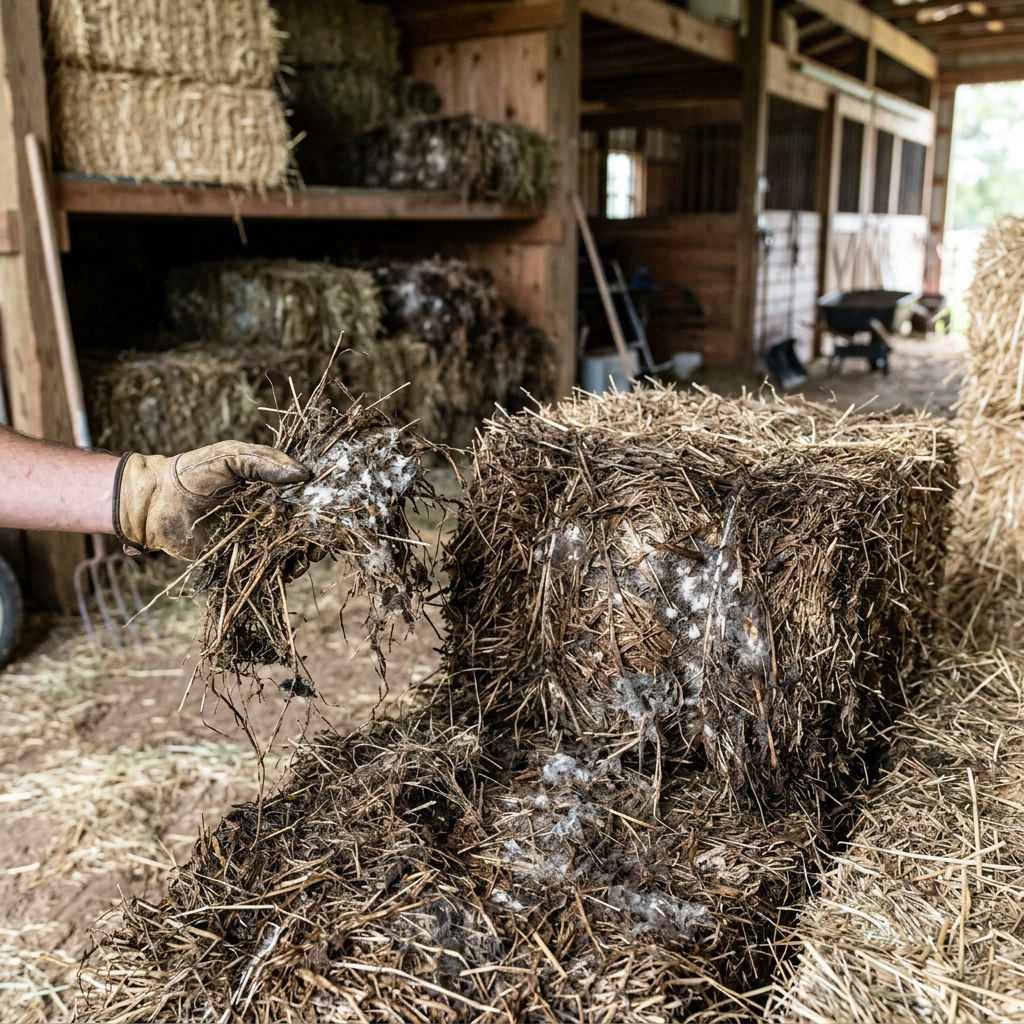
haystack of bad hay

The Complete Guide to Feeding Hay During Washington’s Wildfire Season

Menu Products Blog About FAQ Contact Us Cart Buy Hay Menu Products Blog About FAQ Contact Us Cart Buy Hay The Complete Guide to Feeding Hay During Washington’s Wildfire Season Every summer, many parts of Washington experience wildfire season. While most people think about evacuation plans and air quality, livestock owners face another important challenge,

The Complete Guide to Feeding Hay During Washington’s Wildfire Season Read More »

Three horses eating hay in a rural outdoor setting on a clear day.

Why Horses Waste Hay: Common Feeding Mistakes and How to Reduce Feed Loss

If you have ever looked at a paddock and wondered how a horse could turn a good flake into a trampled, rained-on carpet, you are not alone. Hay waste is one of the quiet ways a winter feed bill gets away from people. It is also one of the most fixable, once you see where

Why Horses Waste Hay: Common Feeding Mistakes and How to Reduce Feed Loss Read More »

Hay bales on Truck for transportation

What Happens After the Bale Leaves the Field? Handling, Transport, and Storage Mistakes to Avoid

Menu Products Blog About FAQ Contact Us Cart Buy Hay Menu Products Blog About FAQ Contact Us Cart Buy Hay What Happens After the Bale Leaves the Field? Handling, Transport, and Storage Mistakes to Avoid Harvesting hay is just the beginning of the story. Once the bale leaves the field, it enters a critical stage

What Happens After the Bale Leaves the Field? Handling, Transport, and Storage Mistakes to Avoid Read More »

Hay, Grass, Meadow

Tracking Mycotoxins in Hay: Prevention & Testing Tips

Menu Products Blog About FAQ Contact Us Cart Buy Hay Menu Products Blog About FAQ Contact Us Cart Buy Hay The Benefits of Rotational Grazing and Hay Use in Livestock Management Mycotoxins are toxic substances that certain molds naturally produce when they grow on crops like hay, grains, or silage. They form most often in

Tracking Mycotoxins in Hay: Prevention & Testing Tips Read More »

Horse barn with net hay feeder hanged by the pillar

Hay Net or Ground Feeding? Pros and Cons for Different Livestock

Menu Products Blog About FAQ Contact Us Cart Buy Hay Menu Products Blog About FAQ Contact Us Cart Buy Hay Hay Net or Ground Feeding? Pros and Cons for Different Livestock Feeding livestock may seem straightforward, but the method you choose—whether using a hay net or feeding directly on the ground—can make a big difference

Hay Net or Ground Feeding? Pros and Cons for Different Livestock Read More »