The Complete Guide to Feeding Hay During Washington's Wildfire Season
Every summer, many parts of Washington experience wildfire season. While most people think about evacuation plans and air quality, livestock owners face another important challenge, keeping their animals healthy while protecting their hay supply. Smoke, ash, extreme heat, and dry conditions can all affect how hay is stored, handled, and fed throughout the season.
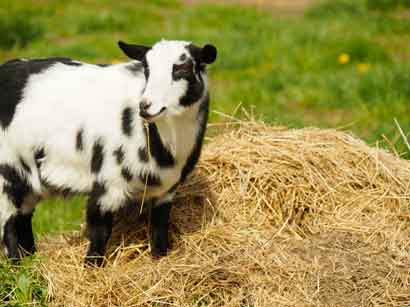
(Black and white goat eating hay)
Wildfire Season Brings More Than Just Smoke
Washington’s wildfire season often coincides with the hottest and driest months of the year. High temperatures, low humidity, and strong winds create ideal conditions for wildfires while also increasing stress on both livestock and forage supplies.
For horse owners, smoke can irritate sensitive respiratory systems, making dust-free, clean hay even more important. Horses with asthma or other respiratory conditions may be especially affected when smoke combines with dusty forage. Choosing high-quality hay that has been properly harvested and stored helps reduce additional respiratory irritants during periods of poor air quality.
Wildfires can also interrupt transportation routes and delay deliveries, making it worthwhile to secure an adequate hay supply before fire season reaches its peak.
Store Hay Where It Stays Clean and Protected
Proper hay storage becomes even more important during wildfire season. While smoke itself usually doesn’t penetrate deeply into tightly packed bales, blowing ash can settle on exposed hay stored outdoors or under open shelters.
Whenever possible, store hay inside a fully enclosed barn or covered structure that protects it from wind, ash, and unexpected weather. Good ventilation remains important, but minimizing direct exposure to outdoor conditions helps preserve forage quality.
Hay should also remain elevated off the ground using pallets or other suitable materials. This promotes airflow underneath the bales while protecting them from moisture that may develop after late summer storms.
Watch for Fire Hazards Around Stored Hay
One of the greatest concerns during wildfire season is protecting stored hay from accidental ignition. Dry vegetation surrounding barns and storage areas can quickly become fuel if a nearby wildfire approaches.
Keeping grass and weeds trimmed around hay storage areas creates defensible space that may reduce fire risk. Removing unnecessary combustible materials and maintaining clear access for emergency vehicles are also worthwhile precautions.
If you use tractors, balers, or other farm equipment near stored hay, inspect machinery regularly for overheating components or sparks, particularly during periods of extreme fire danger.
Feed Clean, Dust-Free Hay Whenever Possible
Air quality often declines significantly during wildfire events. Even healthy horses may experience mild respiratory irritation when exposed to prolonged smoke, while older animals and those with respiratory conditions may be more sensitive.
During these periods, feeding clean, leafy hay with minimal dust becomes especially beneficial. Premium orchard grass, timothy hay, or quality grass mixes generally produce less airborne dust than lower-quality forage containing excessive dry leaves or mold.
Before feeding, inspect each bale for excessive dust, mold, or ash accumulation. If ash has settled on exposed hay, gently removing the outer layer before feeding may help minimize unnecessary contamination.
Fresh water should always be available, as smoke and hot temperatures can increase dehydration risk for horses and livestock.
Plan Ahead Before Fire Season Peaks
One lesson many livestock owners learn during wildfire season is the importance of planning ahead. Transportation delays, temporary road closures, and increased regional demand occasionally affect hay availability during the summer months.
Purchasing hay before wildfire season intensifies helps ensure a consistent supply if deliveries become temporarily delayed. Building a relationship with a dependable local hay supplier also makes it easier to receive updates on inventory and delivery schedules should conditions change.
Planning ahead reduces stress and allows owners to focus on caring for their animals rather than searching for emergency forage during periods of high demand.
Partner with a Trusted Local Hay Supplier
Reliable hay suppliers play an important role during wildfire season. Local businesses understand regional conditions, monitor harvest quality, and often communicate proactively with customers when weather or fire activity affects deliveries.
At Ohana Hay, we work to provide clean, premium-quality forage throughout the year while helping customers prepare for seasonal challenges. Whether you need orchard grass, timothy hay, alfalfa, or mixed hay, having a dependable local supplier gives you confidence that your horses and livestock will continue receiving quality feed when conditions become unpredictable.
Conclusion
Washington’s wildfire season presents unique challenges for livestock owners, but proper planning can make a significant difference. Storing hay correctly, protecting it from ash and moisture, feeding clean forage, and maintaining a reliable supply all contribute to healthier animals and less stress during the summer months.
While wildfire smoke cannot always be avoided, thoughtful hay management helps preserve forage quality and supports the health of horses and livestock throughout the season. By preparing early and working with a trusted local supplier, you can navigate wildfire season with greater confidence and keep your animals well-fed regardless of changing conditions.