Where to Buy Hay in Eastern Washington: A Local’s Guide to Quality and Pricing
If you’re searching for where to buy hay in Eastern Washington, you’re likely looking for more than just the closest option, you want dependable quality, fair pricing, and a supplier you can trust. Whether you’re feeding horses, cattle, or small livestock, the hay you choose plays a direct role in animal health, performance, and long-term costs.
Eastern Washington is known for producing high-quality forage, thanks to its dry climate and strong agricultural roots. But even in a region with great supply, not all hay is created equal. Knowing what to look for, and where to buy, can make a big difference in the value you get from every bale.
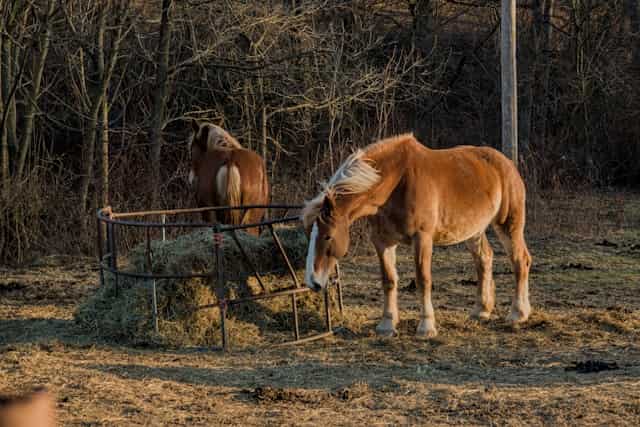
(Horses eating hay.)
Why Local Hay Matters in Eastern Washington
Buying hay locally offers several advantages that go beyond convenience. Locally sourced hay is typically fresher, better suited to regional conditions, and easier to evaluate before purchasing. In areas like the Tri-Cities, where agriculture plays a major role, suppliers often understand the specific needs of local livestock owners.
Choosing a trusted provider like Ohana Hay means you’re working with a team that prioritizes consistency, proper storage, and customer relationships. Local suppliers are also more accessible if you need ongoing deliveries or have questions about the type of hay that best fits your animals.
How to Evaluate Hay Quality Before You Buy
One of the most important parts of buying hay is knowing how to spot quality. Good hay should have a clean, slightly sweet smell and a natural green color, although some fading can occur over time. Texture also matters, leafy, soft hay is generally more digestible and easier for animals to consume than coarse, stem-heavy bales.
It’s also important to check for dust, mold, or signs of moisture exposure. Even small issues can affect both nutrition and safety. If possible, ask your supplier about when the hay was harvested and how it has been stored. These details can tell you a lot about what you’re feeding.
Understanding Hay Pricing and Bale Weight
When comparing prices, it’s easy to focus on cost per bale, but that doesn’t always give you the full picture. Hay bales can vary significantly in weight depending on size, density, and moisture content. For example, two bales may look similar but differ by 10–20 pounds or more.
That’s why it’s important to think in terms of cost per pound, not just cost per bale. Heavier, well-packed bales often provide better value, even if the upfront price is slightly higher. Understanding bale types, such as small squares versus large rounds, can also help you choose what works best for your feeding setup and budget.
Seasonality can also impact pricing. During periods of high demand or limited supply, prices may increase, making it even more important to plan ahead and work with a reliable supplier.
The Importance of Customer Service in a Hay Supplier
Quality hay is essential, but so is the experience of working with your supplier. Reliable customer service can make a significant difference, especially when you depend on consistent deliveries.
A good supplier communicates clearly, follows through on delivery schedules, and helps you find the right type of hay for your needs. Over time, building a relationship with a supplier you trust can save you time and reduce the uncertainty that comes with switching between different sources.
In Eastern Washington, many livestock owners value suppliers who take the time to understand their operation and provide consistent support throughout the year.
Final Thoughts
Finding where to buy hay in Eastern Washington comes down to more than just location. It’s about choosing a supplier that offers consistent quality, fair pricing, and dependable service. By paying attention to hay quality, understanding how pricing works, and building a relationship with a trusted provider like Ohana Hay, you can feel confident in every bale you purchase.
The right hay doesn’t just feed your animals, it supports their health, performance, and long-term well-being.