Upgrade or Repair? How Sprinkler Maintenance and Fertilization Can Transform Your Hay Fields
When it comes to producing high-quality hay, water and nutrients are non-negotiable. Yet many small farm owners overlook the importance of consistent sprinkler maintenance and proper fertilization until it’s too late. Whether you’re deciding between upgrading an outdated irrigation system or making small repairs to extend its life, knowing how to care for your sprinkler setup—and when to fertilize—can make a dramatic difference in your hay yields.
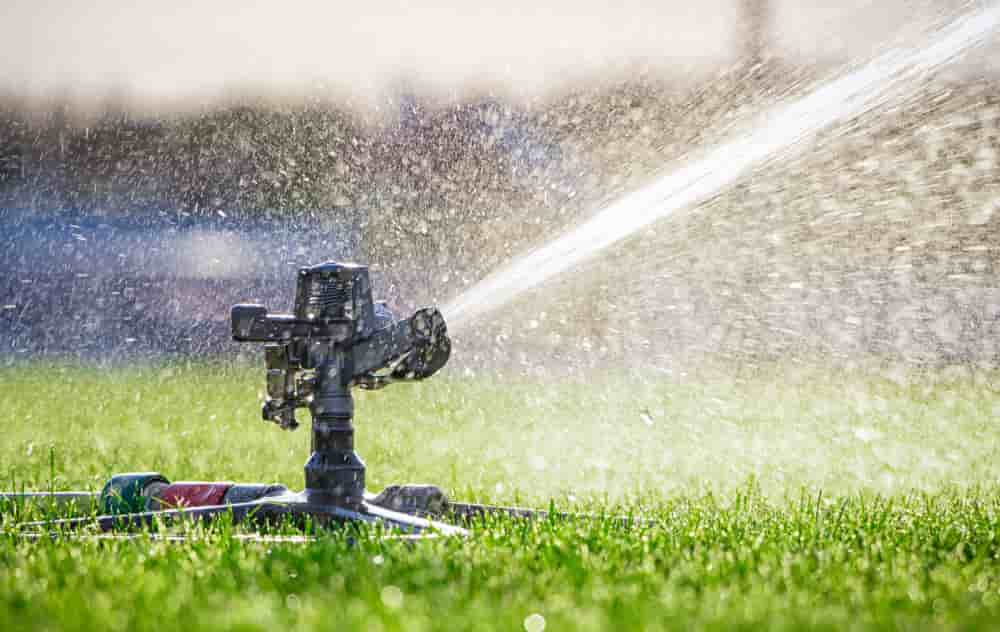
(Automatic sprinkler system watering the lawn.)
Why Sprinkler Systems Matter in Hay Production
Sprinkler systems are essential for hay growers, especially in regions where rainfall is unpredictable. Efficient irrigation ensures uniform growth, helps maintain optimal moisture levels, and supports consistent cuts throughout the season. If your hay fields are experiencing patchy growth or dry spots, it may be time to evaluate whether a system upgrade or repair is in order.
Should You Repair or Upgrade Your Sprinkler System?
If you’re facing uneven watering or system failures, here are key signs to guide your decision:
Repair When:
- You have minor leaks or broken heads
- Your system pressure is still adequate
- Only small areas are underperforming
Upgrade When:
- Your system is over 10-15 years old
- Water usage is excessive
- Coverage is inconsistent even after repairs
- You’ve expanded your acreage
Upgrading your sprinkler system can improve water efficiency and reduce long-term costs. Newer models use smart timers, pressure regulation, and precision nozzles to maximize hay field irrigation with less waste.
Sprinkler Maintenance Tips to Maximize Efficiency
Even a newer system won’t perform well without regular upkeep. Routine sprinkler maintenance should include:
- Inspecting for Leaks: Check pipes, joints, and sprinkler heads for signs of wear or water loss.
- Cleaning Nozzles: Dirt and debris can clog heads, causing uneven spray patterns.
- Checking Pressure Levels: Use a gauge to ensure pressure stays within recommended ranges for your equipment.
- Adjusting Coverage Patterns: Make seasonal adjustments to ensure even watering across the entire field.
By staying on top of maintenance, you extend the life of your system and promote stronger, more uniform hay growth.
Fertilization: Fueling Growth from the Ground Up
Once your irrigation is dialed in, fertilization is the next step in optimizing your hay fields. Proper nutrient management can increase both yield and quality, especially if your soil is lacking in essential elements like nitrogen, phosphorus, and potassium.
Best Practices for Fertilization for Hay Fields:
- Soil Testing First: Before applying anything, test your soil to understand current nutrient levels. This prevents over-fertilization and targets deficiencies.
- Nitrogen is Key: Nitrogen boosts leafy growth and overall yield. It’s especially important for grass hay varieties like timothy or orchardgrass.
- Timing Matters: Apply fertilizer in early spring before the first cut, and again after each harvest to support regrowth.
- Split Applications: Rather than dumping all nutrients at once, split your applications to match crop uptake and reduce leaching.
- Use the Right Equipment: Calibrated spreaders and even distribution can make or break your fertilization efforts.
Combined with a solid irrigation plan, strategic fertilization sets the stage for lush, nutrient-rich hay your customers and animals will appreciate.
Transforming Your Hay Fields with a Smart Strategy
Together, sprinkler maintenance and fertilization form the backbone of a successful hay operation. You don’t always need to replace your entire irrigation system; small repairs and better maintenance may be all you need. Similarly, thoughtful fertilization based on real data—like soil tests—can elevate your yields without unnecessary expense.
If you’re looking to improve your hay field performance this year, start by walking your field. Look for signs of uneven growth, dry zones, or excessive weed patches. Then ask: is the problem your water, your nutrients, or both?
At Ohana Farms, we understand that healthy fields lead to healthy animals. Whether you’re growing hay for your own livestock or for sale, we’re here to support your success with expert guidance and premium products.
Conclusion
Making the decision to repair or upgrade your sprinkler system—and pairing that with strategic fertilization—can transform your hay fields into more productive, profitable assets. Start small with a field assessment, update your maintenance routine, and let your soil guide your fertilization plan.