Should You Test Your Hay? Understanding RFV, Protein Levels, and Feed Analysis Reports
When purchasing hay, most livestock owners rely on what they can see, smell, and feel. A bale with a bright green color, pleasant aroma, and soft texture is often assumed to be high quality. While those visual indicators are important, they don’t always tell the complete story. The true nutritional value of hay can only be determined through forage testing and feed analysis.
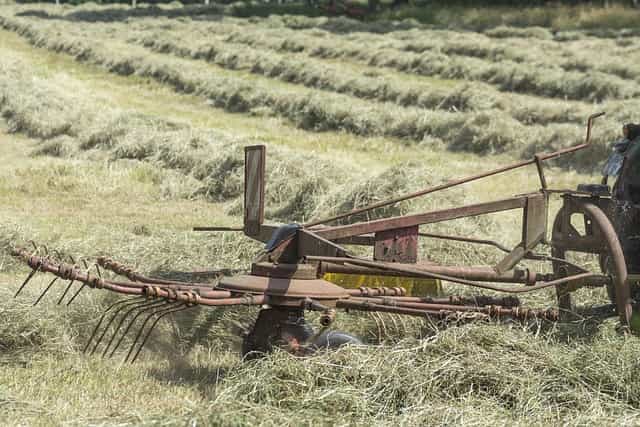
(Hay field)
What Is Hay Testing?
Hay testing is a laboratory analysis that measures the nutritional content of forage. A representative sample is collected from one or more bales and sent to a forage testing laboratory where it is evaluated for factors such as protein, fiber, moisture, energy content, and mineral levels.
Many livestock owners assume all hay of the same type has similar nutritional value. In reality, hay quality can vary significantly depending on harvest timing, growing conditions, irrigation practices, storage methods, and maturity at cutting. Two bales of orchard grass hay may look nearly identical while containing very different nutrient levels.
Testing provides a clearer picture of what is actually in the forage, allowing owners to adjust feeding programs based on facts rather than assumptions.
Do Hay Buyers Need to Test Their Hay?
The answer depends on the animals being fed and how precise nutritional management needs to be. For horse owners with a few recreational horses, visual inspection and purchasing from a trusted hay supplier may be sufficient in many situations.
However, hay testing becomes increasingly valuable for livestock owners feeding pregnant mares, growing animals, dairy cattle, performance horses, or animals with specific dietary requirements. In these cases, nutrient imbalances can affect health, growth, production, and overall performance.
Even small-scale livestock owners can benefit from occasional hay testing because it provides confidence that animals are receiving appropriate nutrition while helping avoid unnecessary supplement costs.
Understanding Crude Protein Levels
One of the first numbers many people look at on a feed analysis report is crude protein. Protein plays an important role in muscle development, growth, reproduction, milk production, and overall health.
Higher protein levels are often desirable for growing animals, lactating females, and performance livestock. However, more protein is not always better. Feeding significantly more protein than animals require can lead to unnecessary feed costs without providing additional benefits.
Different forage types naturally contain different protein levels. Alfalfa generally tests higher in protein than grass hays such as timothy or orchard grass. Understanding protein content allows owners to select hay that aligns with their animals’ specific needs.
What Is Relative Feed Value (RFV)?
One of the most commonly misunderstood numbers on a hay test is Relative Feed Value, often abbreviated as RFV. This measurement combines fiber characteristics to estimate overall forage quality and digestibility.
In simple terms, RFV helps compare one hay sample to another. Higher RFV values generally indicate forage that is more digestible and potentially more nutritious. Lower RFV values often reflect more mature forage with greater fiber content and reduced digestibility.
While RFV is useful, it should not be viewed as the only indicator of quality. A hay with a slightly lower RFV may still be an excellent choice depending on the type of livestock being fed and their nutritional requirements.
How to Read a Feed Analysis Report
Feed analysis reports often contain several measurements that can appear overwhelming at first glance. Beyond protein and RFV, reports commonly include moisture content, Acid Detergent Fiber (ADF), Neutral Detergent Fiber (NDF), Total Digestible Nutrients (TDN), and various mineral levels.
Fiber measurements help estimate how digestible the forage will be. Moisture levels help identify storage concerns and determine actual dry matter intake. Mineral analysis can reveal whether additional supplementation may be necessary.
The goal is not to memorize every number but to understand how the report helps match hay quality with animal needs. A forage analysis serves as a valuable tool for balancing nutrition and maximizing feed efficiency.
How Hay Testing Can Save Money
Many livestock owners view hay testing as an additional expense, but it can actually reduce feeding costs over time. Without testing, owners may purchase supplements that animals don’t need or unknowingly feed hay that lacks important nutrients.
Feed analysis helps identify strengths and weaknesses within a forage program. This information allows livestock owners to make more strategic decisions about supplementation, hay purchases, and overall feeding management.
In some situations, testing can even reveal that a lower-priced hay provides better nutritional value than a more expensive alternative.
Conclusion
While visual inspection remains an important part of evaluating hay quality, it only tells part of the story. Hay testing provides valuable insight into protein levels, digestibility, and overall nutritional value that cannot be determined by appearance alone.
Understanding RFV, crude protein, and feed analysis reports helps livestock owners make more informed decisions while supporting animal health and feed efficiency. Whether you’re feeding a single horse or managing an entire herd, forage testing can be a valuable tool for getting the most from every bale.