Richland Livestock Owners’ Checklist: What to Look for When Buying Hay Locally
Richland, Washington, has a strong tradition of farming and livestock ownership. From backyard hobby farmers raising goats and chickens to larger operations with cattle and horses, one thing unites them all: the need for reliable, nutritious hay. Choosing hay locally isn’t just convenient—it supports community agriculture, ensures freshness, and helps you know exactly what’s going into your animals’ feed.
But how do you know if the hay you’re buying is the right choice? To make the process easier, we’ve put together a checklist that Richland livestock owners can follow to ensure they’re investing in hay that keeps their animals healthy year-round.
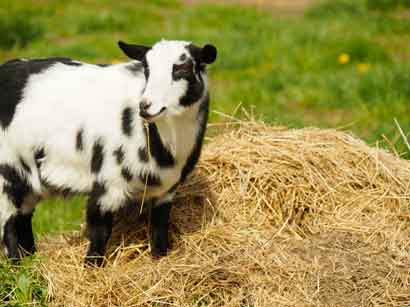
(Black and white goat eating hay)
1. Check for Freshness and Color
Good-quality hay should have a vibrant green color, not a dull brown or yellow shade. Green indicates that the hay was harvested and stored properly, preserving its nutrients. While some sun-bleaching is normal on the outside of a bale, the inside should be rich in color. Brown or black spots may signal mold or improper curing, which can harm your animals.
2. Inspect the Smell
Hay should have a clean, fresh, slightly sweet smell. A musty or sour odor is a red flag for mold or fermentation. Animals often refuse hay that doesn’t smell right, and forcing them to eat it could compromise their health. Always take a moment to smell the hay before you buy.
3. Look for Leaf Content
Leaves are where most of the nutrients are stored, especially in legumes like alfalfa. A bale with a high leaf-to-stem ratio is generally more nutritious than one filled with coarse stems. For animals with higher protein needs, like dairy cows, growing horses, or goats, leafy hay is an excellent choice.
4. Watch Out for Weeds and Foreign Material
Quality hay should be free from weeds, dirt, and debris. Weeds not only reduce the nutritional value but can also be harmful if toxic plants are present. Inspect bales closely for anything that doesn’t belong—twigs, plastic, or other foreign objects have no place in feed.
5. Test Moisture Levels
Moisture content is crucial. Overly wet hay can mold in storage, while excessively dry hay loses nutritional value. Ideally, hay moisture should fall between 12–18%. Many livestock owners in Richland rely on their suppliers to monitor this, but investing in a simple hay moisture tester is worthwhile if you buy large amounts.
6. Match the Type of Hay to Your Animals’ Needs
Not all hay is suitable for all livestock. Here are a few common options available in the Richland area:
- Grass Hays (Timothy, Orchard, Brome): High in fiber and ideal for horses and maintenance diets.
- Alfalfa Hay: Rich in protein and calcium, perfect for dairy cows, young livestock, or animals needing extra energy.
- Mixed Hays (Grass + Alfalfa): A balanced option for herds with varying nutritional needs.
Understanding your animals’ dietary requirements ensures you’re not over- or under-feeding nutrients.
7. Buy from a Trusted Local Supplier
Perhaps the most important step is knowing where your hay comes from. Buying locally in Richland gives you the chance to ask questions about harvest timing, storage methods, and hay type. Local suppliers also tend to be more invested in quality because their reputation depends on it.
At the same time, sourcing hay nearby reduces transportation costs and environmental impact while keeping your money within the community.
8. Consider Storage and Bale Size
Even the best hay won’t stay that way if it’s stored poorly. When buying, think about how much hay you can realistically store in a dry, well-ventilated space. Smaller farms may prefer small square bales, while larger operations often choose round bales for efficiency. Matching bale size to your feeding setup will help minimize waste.
Final Thoughts: A Better Way to Feed in Richland
Choosing hay isn’t just about picking up the first bale you find—it’s about making a smart investment in your animals’ health and your farm’s success. By following this checklist, Richland livestock owners can feel confident they’re bringing home hay that is fresh, nutritious, and safe.
At Ohana Farms, we’re proud to provide premium hay to the Richland community. Our locally sourced hay is carefully harvested and stored to maintain quality from the field to your barn. Whether you’re feeding horses, cattle, goats, or other livestock, we’ve got the right hay to keep your animals thriving.
Explore our Products Page today to find the best hay options for your farm.