How Much Hay Does Your Livestock Really Need? Daily Feeding Calculator and Guideline
Feeding the right amount of hay is one of the most important parts of keeping livestock healthy, productive, and cost-efficient. Too little hay can lead to weight loss, poor performance, and digestive issues, while too much can result in waste and unnecessary expense. Whether you care for horses, cattle, goats, sheep, or small animals, understanding daily hay intake helps ensure your animals receive the nutrition they need without overfeeding.
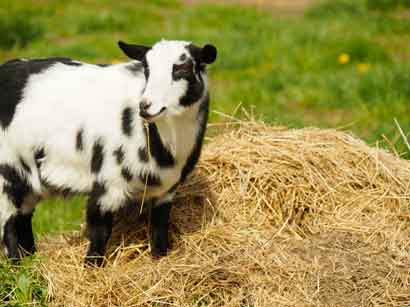
(Up-close view of cow’s mouth.)
At Ohana Farms, we often hear customers ask, “How much hay does my animal actually need?” The answer depends on body weight, animal type, activity level, and hay quality. Fortunately, there’s a simple formula you can use.
The Basic Rule: Feed by Body Weight Percentage
The general guideline for hay intake is based on a percentage of the animal’s body weight. Most livestock consume between 1.5% and 3% of their body weight in hay per day (dry matter basis).
Here’s a simple breakdown:
- Maintenance level (low activity): 1.5% of body weight
- Moderate activity or growth: 2.0% of body weight
- High activity, lactation, or weight gain: 2.5%–3.0% of body weight
This range applies to most grazing animals, including horses, cows, goats, and sheep.
Daily Hay Feeding Calculator: Step-by-Step
You can calculate hay needs in just three steps:
Step 1: Determine your animal’s body weight
Use a livestock scale or weight tape for accuracy.
Step 2: Multiply by intake percentage
Choose 1.5%, 2%, or 2.5% depending on activity level.
Step 3: Convert percentage to pounds
Multiply body weight by the decimal equivalent.
Example Calculation:
Horse weighing 1,000 pounds
1,000 × 0.02 = 20 pounds of hay per day
That means your horse should eat approximately 20 pounds of hay daily for maintenance and moderate activity.
Average Daily Hay Intake by Animal Type
Here are common examples to use as a guideline:
- Horse (1,000 lbs): 15–25 lbs per day
- Beef cow (1,200 lbs): 18–30 lbs per day
- Goat (150 lbs): 2.5–4.5 lbs per day
- Sheep (180 lbs): 3–5 lbs per day
- Rabbit (5 lbs): Unlimited access, typically 0.2–0.5 lbs per day
These amounts may vary depending on metabolism, environment, and hay quality.
Factors That Affect Hay Intake
While body weight provides a solid starting point, several other factors influence how much hay your livestock needs.
Animal activity level
Working horses, lactating cows, and growing animals require more energy and therefore more hay.
Hay quality and nutrition
Higher-quality hay with better digestibility provides more nutrients per pound, which may reduce overall intake needs.
Climate and temperature
Animals burn more calories in cold weather to stay warm, increasing hay consumption during winter months.
Access to pasture or supplemental feed
If animals are grazing or receiving grain, their hay intake may decrease accordingly.
Signs You’re Feeding the Right Amount
Monitoring your animals helps confirm your feeding program is working correctly. Positive signs include:
- Healthy body condition and steady weight
- Consistent energy levels
- Normal digestion and manure consistency
- Minimal hay waste
Warning signs of underfeeding include visible ribs, weight loss, or low energy. Overfeeding may result in obesity, excessive waste, or increased feed costs.
Why Hay Quality Matters as Much as Quantity
Not all hay provides equal nutritional value. Poor-quality hay may force animals to eat more just to meet their energy needs, while premium hay supports health with less waste.
Clean, properly cured hay with good color, smell, and texture improves feed efficiency and animal performance. High-quality hay also reduces the risk of respiratory issues, mold exposure, and digestive problems.
Choosing a consistent hay supplier ensures your animals receive reliable nutrition every day.
Final Thoughts: Balance Intake for Health and Efficiency
Knowing how much hay your livestock needs allows you to balance nutrition, health, and cost effectively. By using the simple body weight formula and monitoring your animals’ condition, you can create a feeding program that supports long-term wellbeing.
Start with the 1.5% to 3% rule, adjust based on activity and environment, and always prioritize hay quality. With proper feeding management, your livestock will stay healthier, perform better, and waste less feed.