Hay Irrigation Scheduling: When and How Much Water to Use
When it comes to hay production, few things impact yield and quality more than water management. Proper irrigation scheduling ensures that your hay stays green, dense, and nutritious throughout the growing season. Yet, watering too early, too late, or too much can easily lead to wasted resources and reduced quality.
Every hay producer knows that timing is everything—but understanding when and how much to irrigate can feel more like an art than a science. Fortunately, with a few best practices and the right equipment, you can take much of the guesswork out of hay irrigation and boost both efficiency and profitability.
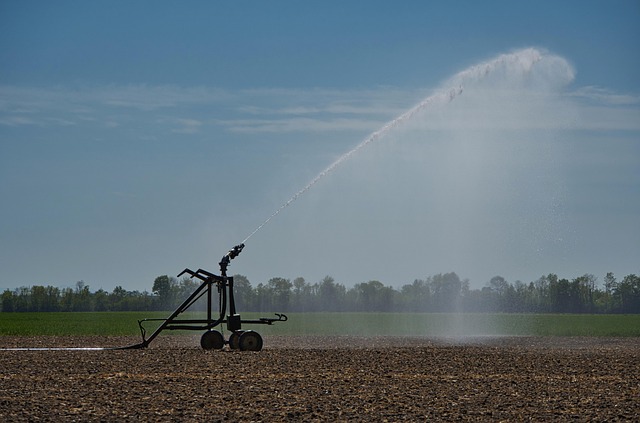
(Agriculture irrigation system.)
Understanding the Basics: Why Irrigation Scheduling Matters
Irrigation scheduling is about more than keeping your field wet—it’s about delivering the right amount of water at the right time. When done properly, it helps the hay plant develop a strong root system, optimizes nutrient uptake, and improves forage quality.
Overwatering can leach nutrients from the soil and promote fungal growth, while underwatering stresses the plants, reducing yield and digestibility. A well-planned irrigation schedule creates consistency, leading to uniform growth and a healthier stand that regrows faster after each cutting.
When to Water: Timing Your Irrigation Right
For most hay varieties, irrigation timing depends on several factors—soil type, local climate, and the stage of growth. In general, the best time to irrigate is right before the plants begin to show water stress.
Here’s a helpful rule of thumb: when you notice the top 6 inches of soil beginning to dry or the grass starting to lose its deep green color, it’s time to irrigate. During peak growing months or in hot, dry conditions, this can mean watering every 7 to 10 days.
The first irrigation of the season is especially important. You want to water early enough to encourage spring growth but not so early that the soil is still cold and saturated. Starting irrigation when soil temperatures reach about 50°F helps maximize early growth without wasting water.
After cutting, it’s equally critical to irrigate soon after baling. The regrowth period sets the tone for the next harvest, and a timely irrigation gives your hay the boost it needs to recover quickly and evenly.
How Much Water Does Hay Really Need?
The amount of water hay requires depends heavily on your region and soil composition. On average, alfalfa hay uses around 25–30 inches of water per growing season, while grass hay needs slightly less.
Sandy soils drain quickly and may require more frequent, lighter irrigation cycles. Clay soils, on the other hand, hold water longer, allowing for deeper but less frequent watering.
A key principle to remember: deep, infrequent watering encourages deeper root growth. Shallow, frequent watering might keep the surface green for a while, but it leads to weaker roots and greater vulnerability to drought. Aim for consistent moisture levels 6–12 inches below the surface—where the majority of the hay’s roots feed.
Choosing the Right Equipment for Hay Irrigation
Selecting the right irrigation system can make or break your efficiency. Here are a few commonly used options:
- Pivot Systems: Ideal for large, level fields, pivot systems automate the process and ensure even coverage. They’re water-efficient and can be paired with soil sensors for real-time adjustments.
- Wheel Lines: Great for medium-sized fields, they’re affordable and relatively easy to move, but require more manual labor than pivots.
- Flood Irrigation: While still used in some areas, it’s less efficient and harder to control. However, for certain terrains and soil types, it remains a viable option when managed correctly.
- Drip or Subsurface Systems: These systems are gaining popularity for their precision. They deliver water directly to the root zone, reducing evaporation losses and improving overall efficiency.
When choosing equipment, consider not just upfront cost but long-term savings in water, labor, and energy. Advanced systems with timers or soil moisture sensors can help fine-tune irrigation scheduling, saving both time and resources.
What Most People Don’t Tell You About Hay Irrigation Scheduling
One overlooked benefit of strategic irrigation is its impact on nutrient management. Watering at the right times helps keep nutrients available in the root zone instead of washing them away. This means your fertilizer investments go further, and your plants maintain consistent nutrient uptake.
Another secret advantage is weed suppression. Consistent irrigation supports denser hay growth, leaving less room for weeds to compete. A healthy, well-watered stand shades out weeds naturally—saving time and money on herbicides.
Finally, irrigation scheduling improves harvest timing predictability. When your fields grow consistently, you can plan cuttings more accurately, leading to uniform bales and reduced drying times. This not only improves quality but also helps you market your hay more efficiently.
Final Thoughts
Mastering hay irrigation scheduling is one of the smartest moves a farmer can make. It’s not about using more water—it’s about using it wisely. Knowing when and how much to irrigate helps you grow higher-quality hay, conserve resources, and strengthen your bottom line.
At Ohana Farms, we believe that the best hay doesn’t just come from good seed—it comes from good stewardship. Smart irrigation practices, proper scheduling, and modern equipment can transform your fields into healthier, more productive pastures year after year.