Feeding Goats the Right Way: Best Hay Types and Nutrition Tips
Raising healthy goats starts with one essential foundation: proper nutrition. While goats are known for their adventurous appetites, not all forage is created equal. Whether you’re raising goats for dairy, meat, or as companions, understanding the best types of hay and how to feed them properly is key to supporting their health, productivity, and overall wellbeing.
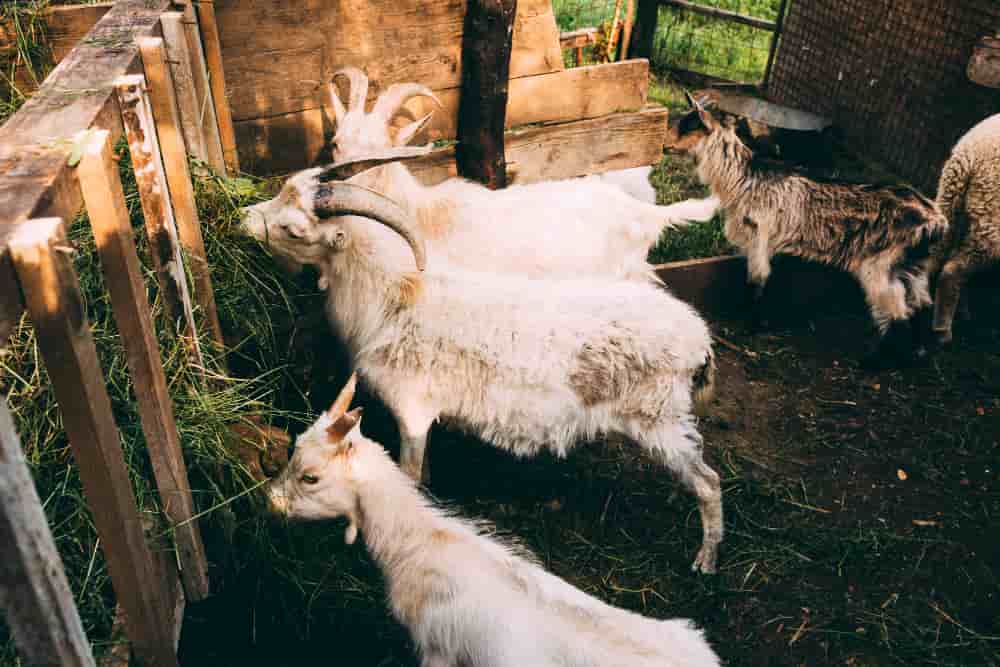
(Goats eating hay from their feeder.)
What Should Goats Eat?
Goats are browsers, which means they naturally prefer shrubs, leaves, and woody plants over just grass. However, when pasture isn’t available, hay for goats becomes their primary source of nutrition. High-quality hay provides essential fiber, protein, and energy, supporting healthy digestion and rumen function.
In addition to hay, goats can also benefit from:
- Clean water available at all times
- Loose minerals or mineral blocks specifically formulated for goats
- Limited grains for pregnant or lactating does, or underweight animals
- Browse materials, like branches or brambles (great for enrichment!)
Best Types of Hay for Goats
Not all hay is ideal for goats. Here’s a breakdown of the best options:
- Alfalfa Hay
This legume hay is packed with protein and calcium, making it a popular choice for dairy goats or does in milk. However, alfalfa may be too rich for wethers (castrated males) or goats not in production, so it should be fed in moderation. - Orchard Grass Hay
A soft, leafy grass hay that goats love, orchard grass offers a balanced amount of protein and fiber. It’s great for maintenance diets and easy on the digestive system. - Timothy Hay
Timothy is a staple goat hay option. It’s high in fiber, low in calcium, and ideal for everyday feeding—especially for adult goats and wethers. - Bermuda Grass Hay
Bermuda hay is an affordable option with decent fiber content, but it should be clean, green, and free of dust or mold. Some goats find it less palatable, so mixing it with a legume hay like alfalfa can increase appeal.
Tip: Always check for mold, dust, and foreign objects in your hay. Goats are sensitive to poor-quality forage, and feeding bad hay can quickly lead to health issues.
Hay Nutrition Tips for Goat Owners
- Offer hay free-choice unless your goats are overweight. Most goats will self-regulate their intake.
- Use a hay feeder to keep feed off the ground and reduce waste.
- Monitor body condition and adjust hay type or quantity as needed.
- Watch for signs of deficiency like rough coats, lethargy, or weight loss.
If you’re unsure what’s best for your herd, consider a hay analysis. Testing your hay for protein, fiber, and mineral content gives you insight into exactly what your goats are consuming—and helps you supplement when necessary.
At Ohana Farms, we’re committed to helping livestock owners make informed choices about feed. Whether you’re looking for quality hay for goats, or nutritional