The Benefits of Rotational Grazing and Hay Use in Livestock Management
Washington State’s climate creates unique challenges and opportunities for horse owners when it comes to feeding hay. From the dry summers of Eastern Washington to the wetter conditions found west of the Cascades, weather patterns can directly affect hay quality, storage, and your horse’s nutritional needs throughout the year. Choosing the best hay for horses in Washington’s climate means understanding how seasonal conditions influence feeding and making adjustments that support consistent health year-round.
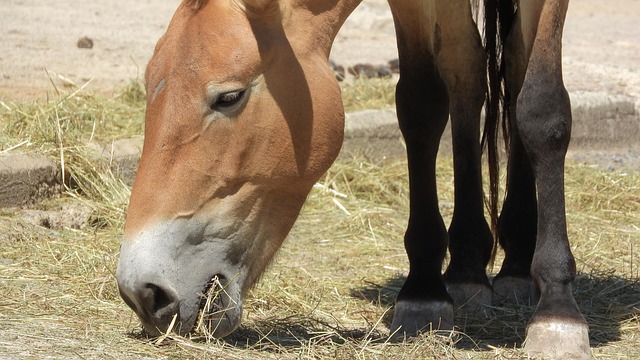
(Horse eating hay off the ground.)
Because forage makes up the majority of a horse’s diet, the quality and type of hay you feed can impact everything from digestion and hydration to energy levels and body condition. Horses thrive when they receive clean, consistent forage that matches both their activity level and seasonal demands.
Choosing the Right Hay for Washington Horses
In Washington, grass hays such as timothy and orchard grass are among the most popular choices for horses. These hays tend to provide a balanced source of fiber and nutrients without being overly rich, making them suitable for a wide range of horses. Orchard grass is often favored for its softer texture and palatability, while timothy hay is valued for its consistency and digestibility.
Some horse owners also incorporate alfalfa into feeding programs, especially for performance horses or horses that need help maintaining weight during colder months. However, balance is important. Feeding overly rich hay without considering workload and overall nutrition can lead to unnecessary weight gain or digestive imbalance.
Climate also plays a role in hay production quality. Eastern Washington’s dry conditions are ideal for curing hay properly, which helps preserve nutrients and reduce the risk of mold or moisture damage. This is one reason many horse owners across the Pacific Northwest seek out hay grown in Eastern Washington.
Seasonal Feeding Adjustments Throughout the Year
A horse’s nutritional needs naturally shift with the seasons, especially in Washington where temperatures and pasture conditions can vary significantly throughout the year.
During spring, fresh pasture growth often increases sugar intake, which may require adjustments in hay feeding. Some horses, particularly those sensitive to rich forage, benefit from maintaining a steady intake of dry hay to support digestive consistency while transitioning between pasture and stored forage.
Summer in Eastern Washington can bring high heat and dry conditions, increasing the importance of hydration. Horses consuming dry hay during hot weather need reliable access to fresh water at all times. Dust control also becomes important during summer months, as overly dry hay can irritate the respiratory system. Feeding clean, properly stored hay helps minimize these issues.
As temperatures begin to cool in the fall, many horse owners start increasing hay intake to prepare for winter. Horses naturally burn more calories in colder weather as they work to maintain body temperature. Because fiber digestion produces internal heat, hay becomes one of the most important tools for helping horses stay warm naturally during winter months.
Winter feeding in Washington often requires the greatest attention. Pasture availability drops significantly, meaning horses rely heavily on stored hay for consistent nutrition. Maintaining access to high-quality forage throughout the colder season helps support body condition, digestion, and energy levels. In some cases, horses may need additional calories depending on age, workload, or exposure to harsh weather.
Why Proper Hay Storage Matters
Even the best hay can lose quality if it isn’t stored correctly. Washington’s climate can create challenges with moisture, especially in areas that experience winter rain or fluctuating temperatures. Improper storage can lead to mold growth, dust buildup, and nutrient loss over time.
Keeping hay elevated off the ground and protected from moisture is one of the best ways to preserve quality. Good airflow is equally important, as trapped humidity can cause spoilage even in covered storage areas. Many horse owners also rotate their hay inventory regularly, using older hay first to maintain freshness and reduce waste.
Proper storage doesn’t just protect your investment, it also helps ensure your horses receive safe, consistent feed throughout the year.
Supporting Long-Term Equine Health
Feeding horses in Washington requires more than simply choosing a bale and filling a feeder. Seasonal weather changes, hay quality, and storage conditions all work together to influence your horse’s overall health. By selecting high-quality forage and adjusting feeding practices throughout the year, horse owners can support healthy digestion, maintain consistent body condition, and reduce avoidable health issues.
Choosing the best hay for horses in Washington’s climate ultimately comes down to consistency, quality, and understanding how seasonal conditions affect your horse’s nutritional needs. With the right approach, hay becomes more than feed—it becomes the foundation of long-term equine health.